
Quick take: A DDoS mitigation service is a network-level setup that keeps your apps online when DDoS attacks try to bury you in junk Internet traffic.
Key benefits and features you should expect:
- Automatic detection + traffic monitoring + real-time monitoring to catch traffic spikes fast
- Filtering that separates legitimate traffic from malicious traffic (with fewer false positives)
- The ability to reroute traffic to scrubbing centers on a global network
- Automated mitigation that can be always on and also available on demand
- Network protection that starts at the provider’s network edge, not just your on‑site firewall
- Reporting, event management, and tuning after the hit to support business continuity and continuous uptime
Bottom line: Good DDoS protection happens upstream in the carrier network, before attack traffic fills your pipe.
The simple definition: What is a DDoS mitigation service?
A DDoS mitigation service is designed to mitigate DDoS attacks and keep critical services reachable during a distributed denial-of-service event.
To better describe what that means: a denial-of-service (DoS) or DDoS attack is like dumping thousands of cars onto one exit ramp at once. Your real customers are still trying to get through, but they can’t. And that’s the painful truth of not being protected.
Why your firewall can’t save you from every DDoS
If the pipe into your building is already full of potentially debilitating attack traffic, your firewall can be brilliant, and you can still be down. That’s why network DDoS protection needs to start upstream, across the network layers, not only in your server closet as the last point of contact before disaster strikes.
What’s inside a real DDoS mitigation service?
Many products or services like to claim “DDoS protection.” But real DDoS defense solutions focus on stopping attacks before they cause downtime. Below is what a solid DDoS mitigation stack usually includes.
1) Continuous monitoring and baseline detection
Good security starts with knowing what a normal baseline looks like. Top-tier providers like PS Lightwave watch traffic patterns across the network so they can spot bad changes fast. The idea is to spot and fix any abnormalities before you or your customers even know anything happened.
Typical signals include:
- Volume changes and unusual traffic spikes, especially from foreign traffic
- Connection rates are through the roof, and suddenly too many new sessions
- Shifts in protocol use
- Weird destination behavior
All of this, and more, is part of continuous monitoring, and it’s how automatic detection gets smarter over time.
2) Filtering that targets malicious traffic
It may be a dated reference, but DDoS attacks can often look like alien swarms in Galaga. You get a test wave that’s sent, and its purpose is to quickly test your defenses. The subsequent bigger, more powerful waves appear, and it’s an all-out assault on your network. Once a spike looks like a DDoS attack, filtering kicks in:
- Blocking obvious junk
- Limiting abusive request rates
- Dropping malformed packets
- Keeping legitimate users moving
The attacks will be different every time, and it’s crucial you have the right system and partner in place to properly protect you.
3) Bot management for smarter DDoS defense
Not every DDoS wave is dumb. Some sophisticated DDoS attacks use bots that look like real browsers, so bot management helps separate real people from automated junk. This is where advanced technology helps reduce false positives (blocking real customers is its own kind of outage).
4) Rerouting and diversion to scrubbing centers
When the flood is big, think tsunami-sized floods, you won’t withstand the continued pressure by putting up a big stop sign; you divert the traffic, too. A carrier-grade provider can reroute traffic so it goes to scrubbing centers first. Those centers remove attack traffic and return clean flows back to you.
This is a core tenet of DDoS attack mitigation, and it’s a big reason why network-level protection matters.
5) Scrubbing centers that clean traffic at scale
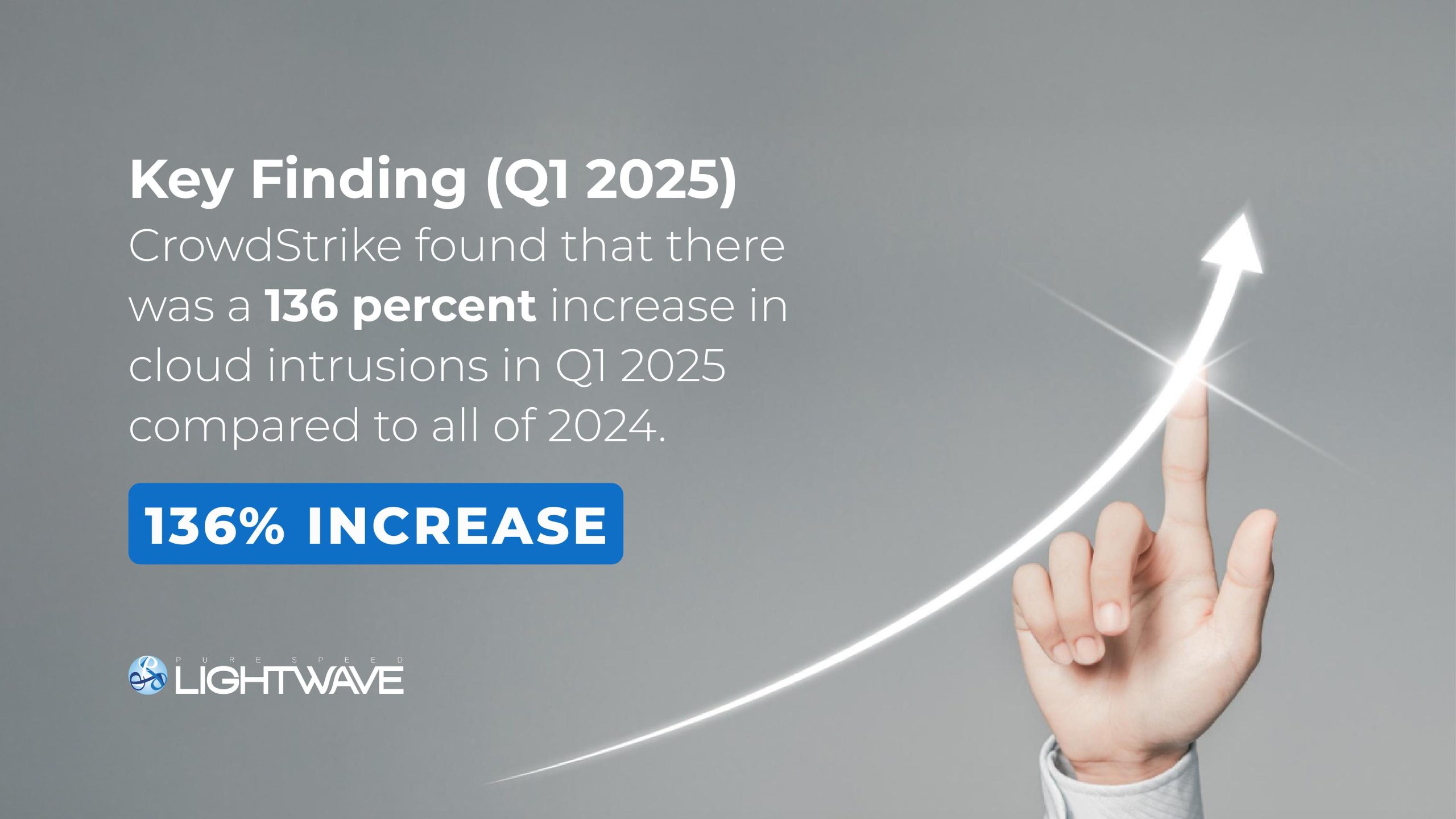
A scrubbing center within a cloud environment is built to absorb huge volumes of traffic and strip out bad packets, passing only legitimate traffic onward. A recent report from CrowdStrike found that there was a 136 percent increase in cloud intrusions in Q1 2025 compared to all of 2024. The number of attackers isn’t necessarily growing, but there is an opportunity with many more organizations accelerating their cloud adoption.
With that in mind, a well-versed and sophisticated provider knows how to handle the increased pressure and often uses multiple data centers and scrubbing centers across a global network to increase capacity.
6) Global threat intelligence and adaptive protection
Attackers reuse tools and rotate targets to get the biggest bang for the buck. The better services use global threat intelligence to spot patterns and roll out adaptive protection that updates quickly.
7) Clean return path and network protection
After scrubbing traffic, the goal is simple:
- Get clean traffic back to your app
- Keep latency reasonable
- Keep your business operations running
This is network protection that works at the provider level, far from the end user but close to the network edge. The sausage is being made regardless of whether you’re seeing it or not.
8) Reporting, event management, and best practices
After an incident, big or small, a debrief or post-mortem must occur, and you should get:
- What happened and when
- What was blocked vs. allowed
- What to tune next
- Practical best practices for the next attempt
This is an important part of mitigating attacks over time and making the next hit less painful.
How DDoS protection works in the real world
Theoretical descriptions are great but now let’s make this practical. Here’s how DDoS protection works during common real-life attacks.
Scenario 1: A volumetric flood that crushes the pipe
What you see: Your bandwidth is pinned to the max, remote work breaks, calls drop, apps time out, and customers are angry.
What’s happening: A massive DDoS attack floods the line with malicious traffic and raw DDoS traffic.
How DDoS attack mitigation stops it:
- Automatic detection flags abnormal traffic patterns
- Upstream systems divert inbound traffic
- Scrubbing centers drop the flood traffic
- Only clean traffic returns
Result: Fewer outages, less downtime, and less reputational damage.
Scenario 2: Application layer pressure that feels “slow.”
What you see: The line isn’t maxed out yet, but everything is slow and sluggish.
What’s happening: There’s application layer abuse with lots of seemingly normal requests trying to grind the app down.
How DDoS mitigation helps:
- Detection focuses on rates and behavior
- Filtering and bot management block the worst offenders
- Tuning avoids false positives, so real users still log in
Result: You keep serving customers instead of watching a loading spinner, which is a major source of frustration.
Scenario 3: A smokescreen DDoS during a broader incident
Sometimes DDoS attacks are a distraction while another threat is happening. That’s why network DDoS protection is part of overall security and risk planning.
CISA has guidance on denial-of-service threats and preparation steps. Check it out here.
Why carrier-grade mitigation beats most anything else
The unfortunate go-to for teams is to think the fix is extra bandwidth. But attackers can scale too, so providing more possible illegitimate traffic is a non-starter. A smart plan is:
- Upstream blocking and scrubbing
- Protection at multiple network layers
- Clear escalation paths
Carrier-grade protection means the provider can handle big traffic loads across a global network and multiple data centers. It also supports customer trust and your brand reputation, because fewer outages mean fewer angry calls and fewer refunds.
Key benefits of network-level DDoS protection
Here are the key benefits most teams care about in terms of your business:
Minimize disruption to customers
Better DDoS protection means minimizing disruption for legitimate users trying to buy, log in, or call support.
Protect revenue and business operations
Less outage time means fewer missed orders, fewer SLA penalties, and steadier business operations.
Support business continuity goals
If your plan is to ensure business continuity, network-level protection is a big piece of that.
Reduce risk to reputation
Downtime creates reputational damage fast. So does inconsistent access that looks like you’re unreliable.
What to ask when comparing DDoS defense solutions
If you want to avoid checkbox protection, ask these questions:
- Where does mitigation happen? Is it only at your firewall, or upstream at the provider network edge?
- Is it always on, on demand, or both? Some teams want always-on protection. Others want on demand for specific events.
- How do you handle sophisticated DDoS attacks? Do you have global threat intelligence, bot management, and adaptive protection?
- What’s your scrubbing setup? How many scrubbing centers and data centers are in the global network?
- How do you avoid false positives? Blocking customers is bad. Ask how they reduce false positives.
- What are the key features and reporting? Ask for key features, runbooks, and post-event reporting so you can improve.
- How do you price cost protection? Ask about cost protection (how pricing scales during big attacks and what’s included).
How PS Lightwave fits into your DDoS mitigation conversation
If your business runs on uptime, multi-site connectivity, cloud apps, voice, portals, customer-facing platforms (of course it does), you want a provider who can support a resilient infrastructure and reliable protection when DDoS attacks hit. It’s not a question of if, but when, and how often you’ll get tested.
PS Lightwave positions itself around high-performance connectivity, local support, and flexible service, which lines up with what teams want during an outage: clear answers and fast action.
If you’re planning DDoS mitigation, the right next step is simple:
- Talk through your critical services
- Map where attack traffic could hit
- Decide what needs to be always-on vs. on-demand
Are you ready to talk through what the next steps will look like? Contact PS Lightwave today!